
What are the best breathing and mindfulness practices for kids?
Mindfulness and breathwork give children tools they can use in real moments when they’re overstimulated, distracted, anxious, or simply need to feel more at home in their body. This page includes developmentally appropriate practices, tools, and adaptations that support regulation, focus, and emotional awareness for all children, including those with sensory or learning differences.
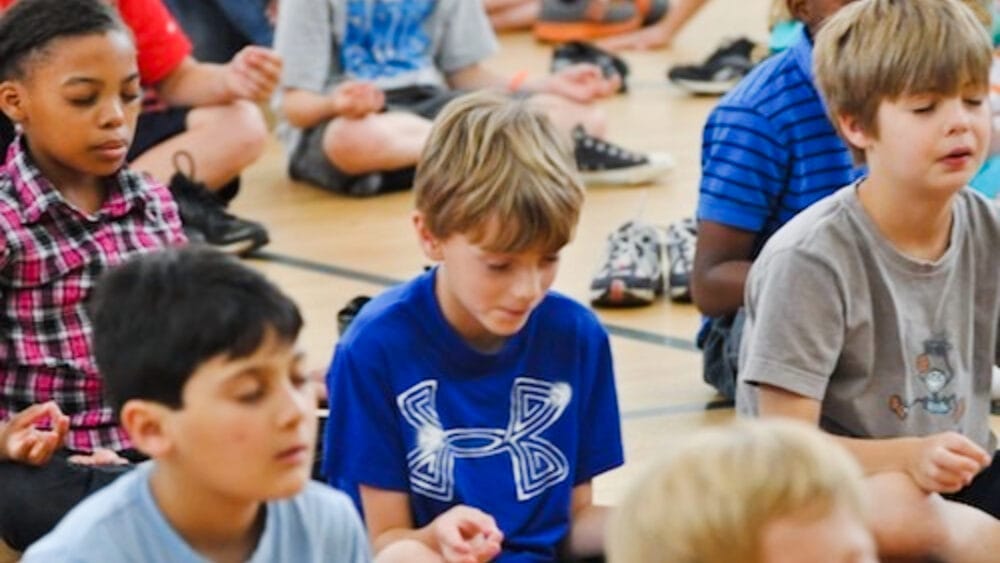
Can I use mindfulness and breathwork with neurodiverse children?
Yes, and it’s especially effective when it’s visual, rhythmic, and trauma-informed. Kids with ADHD, autism, or sensory processing disorder often benefit from structured, body-based mindfulness like Rock and Roll, Grounded Hand Breath, or the 5 Elements Flow Clocks.
Start small, keep routines predictable, and avoid forcing stillness. When offered with respect and flexibility, breath and movement become tools that help kids feel safe and supported in their own bodies.
What are the best breathing exercises to help kids calm down?
Breathing consciously is one of the fastest ways to regulate the nervous system. At Grounded Kids Yoga, we use child-friendly techniques like Lotus Breath, Bubble Gum Breath, Just a Sip, and Take Out the Trash. These exercises help release tension, shift focus, and bring the body into a calmer, more regulated state.
Choose one breath and practice it consistently at the same time each day to build a calming habit that children can rely on when they feel overwhelmed or overstimulated.
How often should kids practice mindfulness or breathwork to see results?
Even a few minutes a day makes a difference. Consistency matters more than duration. Just 2–5 minutes of breathing or mindfulness each day builds stronger attention, better self-awareness, and faster recovery from stress.
Many teachers use a short breath as part of morning meeting, while families may practice before school or bedtime. Repetition is what wires the nervous system to remember it in real-life moments.
How do I teach deep breathing to preschoolers or young children?
For young kids, breathing should be visual, simple, and playful. Use props like feathers, pinwheels, or pose cards with visual cues. Instead of saying “deep breath,” guide them with phrases like:
- “Smell the flower, blow the dandelion”
- “Blow up a pretend balloon”
- “Just take a sip of breath”
- Breathe in, lift arms up, breathe out, lower arms (or legs)
Teaching breath through imagery and rhythm makes it stick and keeps it fun.
How can I use breathing techniques during classroom transitions or behavior challenges?
Transitions are one of the hardest times for kids to stay regulated. Breathing techniques help children pause, reset, and move to the next task without carrying overwhelm with them.
Use short, consistent breaths like Take Out the Trash, Just Breathe, or Breath of Joy between subjects, before lunch, or after recess. Repeating the same breath sequence trains the nervous system to shift gears smoothly.
Can mindfulness help children who are anxious, hyperactive, or distracted?
Yes. Mindfulness helps kids tune into their body, breath, and emotions, all of which support better focus and calmer reactions. In Grounded Kids Yoga, we use breathwork and movement as mindfulness tools, not separate from them.
Practices like Feather Breath, Grounded Hand Breath, and Snake Pose with slow transitions, lifting up on the inhale and returning to the ground on the exhale, give kids a felt experience of calming down. These tools are especially helpful for children with ADHD, sensory needs, or high emotional reactivity.
Are there breathing tools, visuals, or props that help kids stay engaged?
Yes, props and visuals make breathing more concrete and fun. Use:
- Feathers, pinwheels, or bubbles
- Breathing pose cards for visual cues
- Just Breathe pose while listening to a singing bowl
- Hand tracing (Grounded Hand Breath)
These tools are especially helpful for young children, neurodivergent learners, and anyone who benefits from tactile or visual cues.
What are the signs that mindfulness or breathwork is helping my child?
You might notice your child calming down more quickly after a stressful moment, remembering to take a breath on their own, or pausing before reacting. These are signs their nervous system is learning how to self-regulate.
Other shifts may include improved focus, smoother transitions, fewer meltdowns, or even asking to repeat a favorite breath or pose. Results build gradually through repetition, not perfection.
What’s the difference between mindfulness and meditation for kids?
Mindfulness is about noticing what’s happening in your body, thoughts, and surroundings without needing to change it. Meditation usually involves sitting still and focusing on one thing like breath or sound.
For kids, mindfulness is more accessible when it’s built into movement, storytelling, or breath. Grounded Kids Yoga integrates mindfulness into every practice, so children build attention and self-awareness through experience, not pressure.
How can I use breathing exercises and mindfulness in my kids yoga classes?
Use child-friendly breathwork techniques like Bee Breath, Bubble Gum Breath, or Follow the Breath. Anchor them in movement and visuals, like tracing a bubble with arms. Mindfulness can be woven through transitions, rest, and even games.
Start with cues like “feel your belly rise and fall” or “send your breath to your feet.” Let kids feel breath as energy and anchor. Repeat often and keep it short, vivid, and consistent.
How do breathing techniques help kids with emotional outbursts?
Breathing techniques give kids a physical, doable tool in moments when language, logic, or reasoning aren’t accessible. During an emotional outburst, the nervous system is in a state of dysregulation. Breathwork becomes the bridge to self-awareness.
Grounded breath practices like Take Out the Trash, Just a Sip, and Grounded Hand Breath calm the body and activate the parasympathetic nervous system. Over time, this builds interoception and self-trust. Breath becomes a self-regulation skill, not a punishment, but a permission to reconnect.
To talk about a school or district program, reach out to Amy Haysman at amy@groundedkids.com, or see the full training pathway.